Invisalign Concord CA: Gentle, Modern Teeth Straightening for Comfortable Smiles
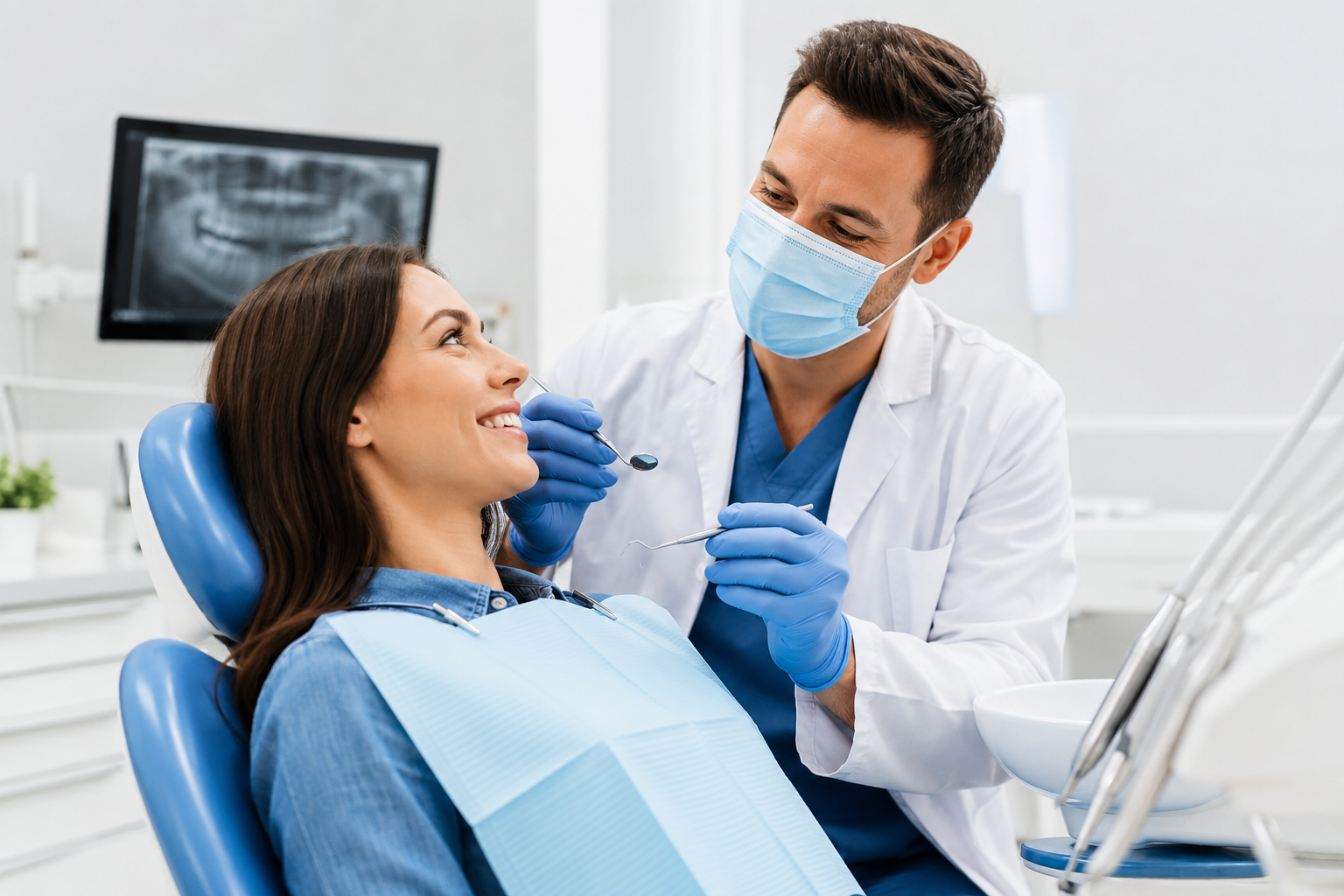
You can get a discreet, comfortable teeth-straightening option in Concord, CA with Invisalign that fits everyday life and busy schedules. Invisalign uses clear, removable aligners designed from a 3D scan to move teeth gradually, so patients see predictable results without the metal brackets and frequent adjustments of traditional braces.
The article explains how Invisalign works, who qualifies, local advantages in Concord, cost and payment options, and how to care for aligners, giving practical steps to decide if it’s right for you. Expect patient experiences, straightforward comparisons with braces, and clear next steps for booking a consultation or asking questions.
Invisalign uses a series of custom-made, nearly invisible aligners to move teeth gradually and precisely. The process blends digital planning, 3D printing, and regular monitoring to achieve predictable tooth movement with fewer office visits.
Invisalign aligners are made from a smooth, BPA-free thermoplastic called SmartTrack. Each aligner applies gentle, controlled force to specific teeth; the shape differences between consecutive aligners determine the direction and amount of movement.
The lab fits aligners to a 3D treatment plan created from intraoral scans or impressions. That plan maps each tooth’s position from start to finish and generates a sequence of typically 20–40 trays, changed every 1–2 weeks. Attachments — tooth-colored composite bumps — are sometimes bonded to teeth to provide extra grip for rotations or vertical movements.
Aligners sit snugly over teeth and must be worn about 20–22 hours per day. They are removable for eating and oral hygiene, which helps reduce plaque buildup compared with fixed braces. Most patients notice less irritation to cheeks and lips than with metal brackets.
Treatment starts with a comprehensive evaluation: oral exam, X-rays as needed, and digital scans or traditional impressions. The clinician reviews bite, alignment, and any restorative concerns, then designs a customized treatment plan in the Invisalign software.
Once approved, the lab fabricates the aligners and ships them to the office. Patients receive several sets at a time and switch trays every 1–2 weeks, following the clinician’s schedule. Routine check-ins occur every 6–10 weeks to monitor progress and adjust as needed.
Typical treatment length ranges from 6 months for minor corrections to 18+ months for complex cases. Retainers are prescribed after active treatment to maintain results; combination therapy with attachments, elastics, or limited fixed appliances can handle more challenging movements.
The first visit focuses on assessment, education, and planning. The clinician takes detailed records: digital intraoral scans, photos, and possibly panoramic or cephalometric X-rays to evaluate teeth, roots, and jaw relationships.
They then discuss treatment goals, timeline, cost, and insurance options. Patients see a simulated outcome (ClinCheck) that shows step-by-step tooth movement and estimated duration. This is the time to ask about comfort, wearing schedule, dietary changes, and retainer strategy.
If the patient chooses to proceed, impressions/scans move to fabrication and a start date is set. The clinician explains aligner insertion, removal, cleaning, and troubleshooting, ensuring the patient feels confident before beginning treatment.
Invisalign offers invisible alignment, fewer office visits, and easier daily care compared with traditional braces. Patients often notice improved comfort, eating convenience, and predictable treatment planning.
Invisalign aligners use smooth, BPA-free plastic that reduces soft-tissue irritation compared with metal brackets and wires. The custom-fit trays are trimmed to the gumline to minimize rubbing, and most patients report mild initial pressure rather than sharp pain when switching sets.
Clear aligners sit flush against teeth, making them visually discreet for school, work, or photos. Transparent material refracts light, so aligners are hard to see at conversational distance. Many adults choose Invisalign specifically to avoid the social and professional impact of visible braces.
Orthodontists in Concord use digital scans to design gradual tooth movements, which helps make shifts gentle and more comfortable. Because movements are planned in small increments, patients experience steady progress with less sudden force on individual teeth.
Patients can remove Invisalign for eating, drinking (except water), and oral hygiene, which eliminates dietary restrictions. This makes it easier to maintain a normal diet and enjoy foods like popcorn, steak, or raw vegetables without worrying about bracket damage.
Removability simplifies brushing and flossing, letting patients maintain better gum health and reduce plaque buildup during treatment. They simply remove the trays, brush and floss normally, then reinsert the aligners—this lowers the risk of cavities and gum inflammation compared with braces.
Clear aligners also allow temporary removal for special events or contact sports when a dentist advises using a retainer-like appliance instead. Treatment adherence matters: dentists typically recommend 20–22 hours of wear per day for predictable results, and many practices use reminders or apps to help patients stay on track.
Invisalign requires fewer emergency visits for broken wires or loose brackets, which saves time and reduces unexpected dental appointments. Typical follow-ups occur every 6–10 weeks to monitor progress and deliver the next sets of aligners.
Digital treatment planning produces a visual roadmap so patients can see projected outcomes before starting. This transparency helps set realistic expectations about treatment length, which commonly ranges from 6 to 18 months depending on case complexity.
Patients appreciate the minimal impact on speech after a short adjustment period; most speak normally within a few days. For busy Concord residents, the combination of aesthetics, convenience, and predictable scheduling makes Invisalign an attractive option for straightening teeth without major lifestyle disruption.
Invisalign works for many alignment problems and for people of different ages, but candidacy depends on tooth movement needs, oral health, and patient commitment. A dental exam, X-rays, and digital scans determine whether clear aligners are appropriate and which treatment plan will provide predictable results.
Invisalign addresses several specific tooth-position problems using a series of custom clear trays that apply controlled force. It corrects mild to moderate crowding by creating space and aligning teeth gradually.
It also treats spacing issues—such as gaps from missing teeth or natural diastemas—by closing or redistributing space to improve function and esthetics.
Mild to moderate bite problems like anterior open bite, minor deep bites, and certain crossbites can be improved with aligners, often combined with attachments or elastics for additional control.
Complex skeletal discrepancies (severe underbite or jaw misalignment) usually require orthognathic surgery or fixed appliances; Invisalign may assist after surgical correction.
Dentists often combine aligners with refinements or adjunctive treatments (buttons, attachments, interproximal reduction) to handle tougher movements while maintaining esthetic discreetness.
Good candidates have healthy teeth and gums, realistic expectations, and the discipline to wear aligners about 20–22 hours daily. Patients with untreated cavities, active gum disease, or insufficient bone support must address those issues before starting treatment.
People seeking correction of mild to moderate misalignment, spacing, or bite issues who value a nearly invisible option tend to benefit most. Busy professionals and adults often prefer Invisalign because it allows easier oral hygiene and fewer emergency visits compared with braces.
Prior orthodontic relapse can usually be retreated with aligners if periodontal health is stable. Those requiring significant vertical movement or tooth rotation should consult an experienced provider to evaluate predictability and possible need for adjunctive measures.
For teens, compliance and growth patterns matter; Invisalign Teen offers eruption compensation and replacement trays for lost aligners. Regular orthodontic monitoring remains crucial to track jaw growth and emerging teeth, especially when permanent dentition is incomplete.
Adults often appreciate shorter treatment times for moderate cases and the ability to remove aligners for work and social events. However, adults with restorations, crowns, or bridges may need treatment modification because prosthetics don’t move with natural teeth.
Both groups should expect an initial investment in scans and aligner sets and plan for retainers after treatment to prevent relapse. A consultation with a Concord dentist or orthodontist will outline timeline, costs, and any necessary dental work before aligners begin.
Concord offers a strong mix of clinical skill, modern offices, and community-centered care that makes Invisalign treatment accessible and comfortable. Patients benefit from experienced providers, advanced technology, and practices that prioritize personalized treatment plans and follow-up.
Concord’s dentists and orthodontists include board-certified specialists and general dentists with advanced Invisalign training. Many clinicians complete Invisalign-specific courses and maintain certification through Align Technology, ensuring they can handle simple to complex tooth movements. Patients can find providers experienced with cases like crowding, gaps, and mild bite issues, as well as those who coordinate treatment with restorative or periodontal care when needed.
Local practitioners often publish case studies or before/after galleries online, so prospective patients can review real outcomes from nearby offices. They also speak English and Spanish commonly, easing communication for many families. Insurance participation and flexible payment plans are common, helping patients fit Invisalign into their budgets without unexpected costs.
Dental practices in Concord commonly equip their clinics with intraoral scanners, digital X-rays, and 3D treatment-planning software that integrate directly with Invisalign’s workflow. Intraoral scanners replace messy impressions, providing faster, more accurate digital models used to design clear aligner series. Digital radiography reduces radiation exposure and speeds diagnosis, while 3D planning lets patients preview projected tooth movement.
Many offices maintain sterilization protocols exceeding standard requirements and offer amenities like private operatories, sedation options for anxious patients, and evening hours for working adults. These features reduce appointment time, improve comfort during aligner delivery and attachments placement, and streamline mid-treatment progress checks.
Concord practices emphasize patient education and follow-up. Providers typically begin with a clear estimate of treatment length, expected number of aligners, and a written cost breakdown. They walk patients through wearing schedules, cleaning routines, and eating guidelines to minimize setbacks. Practices often schedule routine progress scans or photos every 6–8 weeks and provide remote check-in options using secure apps for minor adjustments.
Clinics collaborate with local labs, periodontists, and dental specialists when multidisciplinary care is needed, ensuring coordinated treatment for patients with restorations or gum disease. Many offices also run community outreach—free screenings at schools or informational seminars—that build trust and help residents make informed decisions about Invisalign.
Invisalign and traditional braces differ mainly in how they look, how they feel, and how patients care for them. Each option affects daily life — eating, speaking, cleaning, and how fast teeth move — in specific, practical ways.
Invisalign uses clear, removable aligners made of smooth plastic that fit over teeth. They sit close to the tooth surface and are virtually transparent, so they are hard to notice in photos or at work. Patients commonly report less irritation to cheeks and lips because there are no metal brackets or wires rubbing soft tissues.
Traditional braces consist of metal or ceramic brackets bonded to teeth and connected by wires and elastics. They are more visible and can cause soreness after adjustments. Ceramic braces reduce visibility but still have brackets that can catch on lips and food. For adults in professional settings, Invisalign often wins on discretion and short-term comfort.
Invisalign treatment typically ranges from 6 to 18 months for mild to moderate cases, depending on tooth movement complexity. Providers in Concord often schedule new aligners every 1–2 weeks and check progress every 6–10 weeks. Compliance matters: aligners must be worn 20–22 hours daily to stay on schedule.
Traditional braces usually take 12–24 months for similar issues, with complex bite corrections sometimes extending beyond two years. Orthodontists adjust wires every 4–8 weeks to apply continuous force. Certain movements, like severe rotations or vertical corrections, can be faster or more predictable with braces, so treatment length varies by diagnosis and appliance choice.
Invisalign requires daily removal for eating and brushing; patients should clean aligners with a soft brush and mild, non-abrasive cleanser. Rinsing aligners before reinserting prevents staining and reduces bacterial buildup. Since teeth are exposed during treatment, regular brushing and flossing are easier, which lowers the risk of decay when patients maintain proper oral hygiene.
Braces demand careful cleaning around brackets and under wires using interdental brushes, floss threaders, or water flossers. Patients must avoid sticky, hard, or chewy foods to prevent broken brackets and delays. Orthodontic wax can reduce irritation, but plaque control is more challenging, increasing the need for professional cleanings and close monitoring for white-spot lesions.
Patients in Concord report practical realities: daily routine adjustments, advice from neighbors, and measurable improvements. Many emphasize comfort, clear expectations about treatment length, and the importance of follow-up care.
Most patients wear aligners about 20–22 hours per day and remove them only to eat and brush. Mornings often include rinsing the tray and drinking water; evenings include brushing before reinserting the aligners to reduce staining and odor.
Speech adapts within a few days for many people, with only a slight lisp at first for those with complex tooth movements. Eating poses no restrictions since patients remove the trays; however, they must remember to brush or rinse before putting aligners back to avoid trapped food and cavities.
Comfort improves after the first week, though tightness or mild soreness typically appears for 24–48 hours after changing to a new tray. Local patients value having a reliable case, a travel toothbrush, and a small tube of toothpaste for on-the-go care.
Bring a small kit when you leave the house: case, travel toothbrush, floss, and a mirror. Concord patients say that a checklist for meals and hygiene helps keep wear time consistent, which speeds results.
Schedule aligner changes in the evening when soreness is easier to manage and you can eat before inserting a new tray. Ask your Concord provider for chewies and use them daily to seat aligners fully after reinserting.
Track progress with photos every two weeks; many patients share photos with their clinician to confirm movement. If a tray feels loose for more than a few days, contact the office—later corrections are possible but add time and cost.
A 29-year-old teacher completed treatment in 10 months, resolving mild crowding and gaining confidence to speak in front of classes. She credited consistent wear and weekly photo check-ins with her Concord orthodontist for staying on schedule.
A retiree corrected a crossbite that caused jaw discomfort; after aligners and a night retainer, they reported less jaw pain and better chewing. Follow-up care included a bonded retainer and routine periodontal checks, which the patient said preserved long-term results.
A college student used aligners while living away from home and managed appointments through the local clinic’s teledentistry check-ins. The student emphasized planning for travel and keeping extra trays in case of delays, which prevented treatment interruptions.
Treatment cost, insurance coverage, and financing choices determine how accessible Invisalign is for many patients. Readers will find specific price ranges for Concord, typical insurance benefits, and practical financing alternatives to spread payments.
In Concord, Invisalign typically ranges from $3,500 to $7,500 depending on case complexity. Mild crowding or spacing often falls near the lower end, while full-mouth alignment and bite corrections push toward the higher end.
Initial consultation and digital scans are usually included, but expect additional fees for attachments, refinement trays, or retainers if needed. Local orthodontists and general dentists set prices differently; orthodontists often charge more for complex cases. Ask clinics for a written estimate that lists scanning, aligner sets, follow-up visits, and retainer costs.
Compare at least three providers in Concord and request case examples with final costs. Many offices offer free or low-cost consultations that allow patients to understand exact pricing for their specific treatment plan.
Many dental insurance plans cover a portion of orthodontic treatment; typical reimbursement ranges from $500 to $2,000 or a percentage up to a plan limit. Coverage depends on whether the insurer classifies Invisalign as orthodontics and on lifetime maximums. Patients should verify eligibility, age limits, waiting periods, and required diagnostic codes with their provider.
Most Concord practices accept major dental PPOs and will submit claims on the patient’s behalf. For out-of-pocket balances, common financing options include:
Patients should request an itemized payment schedule and compare interest rates, fees, and prepayment penalties. A clear repayment plan helps avoid surprises and keeps treatment affordable.
Aligners need daily attention to stay clear, fresh, and effective. Small habits—like rinsing after meals and storing trays safely—prevent staining, odor, and damage.
Rinse aligners under lukewarm water every time they are removed to wash away saliva and food particles. Brush them gently with a soft-bristled toothbrush (separate from the one used on teeth) and a mild, clear liquid soap; avoid whitening or abrasive toothpaste which can scratch or cloud the plastic. Soak aligners 2–3 times per week in manufacturer-recommended cleaning crystals or a denture/alignment soak to remove biofilm. Use lukewarm—not hot—water, because high heat will warp trays and affect fit. Inspect trays daily for cracks or rough edges and bring any issues to the Concord provider promptly. Store aligners in their hard case whenever not in use to prevent accidental bending, loss, or pet damage.
Do not eat or drink anything except plain water while wearing aligners; colored or sugary drinks cause staining and increase cavity risk. Avoid smoking or vaping with aligners in, since nicotine and heat discolor trays and reduce clarity. Never clean trays with mouthwash that contains strong dyes or alcohol; those can degrade plastic and leave residue. Refrain from chewing gum while wearing aligners; gum sticks to trays and deforms them. Do not leave aligners exposed to direct sunlight, hot cars, or near radiators—excess heat will warp the fit and compromise tooth movement. If an aligner cracks or becomes ill-fitting, contact the Concord office for guidance rather than forcing wear.
Patients begin by scheduling a consultation with a Concord Invisalign provider to review goals, dental history, and suitability. The dentist or orthodontist performs a brief exam and takes digital scans or X-rays to create a personalized treatment plan.
The provider explains the expected timeline and shows a digital preview of likely results. This visual plan helps patients understand how aligners shift teeth and what milestones to expect.
After agreeing to the plan, the lab fabricates a series of custom clear aligners. Patients typically wear each set for 1–2 weeks, removing them only to eat and clean their teeth.
Follow-up visits occur every 6–10 weeks to monitor progress and adjust as needed. Compliance matters: wearing aligners 20–22 hours daily produces the best results and can shorten treatment time.
Costs vary by complexity and provider; many Concord practices offer financing, payment plans, or accept dental insurance. Patients should ask about total cost, what’s included, and any maintenance fees.
During treatment, maintain routine dental cleanings and good oral hygiene to prevent cavities or gum issues. Using a soft-bristled brush and flossing daily keeps teeth healthy and helps aligners fit properly.
If patients have questions or concerns—about comfort, eating, or results—their provider can offer tips or minor adjustments. They encourage scheduling a consultation to discuss candidacy, timeline, and next steps toward a straighter smile.
This section answers common concerns about Invisalign in Concord, CA, including cost ranges, choosing an East Bay orthodontist, insurance coverage, treatment timelines, suitability for different problems, and what happens at the first consultation.
Invisalign in California generally ranges from $3,000 to $8,000, with Concord-area cases most often between $4,000 and $6,500.
Price depends on treatment complexity, number of aligners, provider experience, and whether adjunctive treatments (attachments, IPR, refinements) are needed.
Office location, digital scanning versus traditional impressions, and included follow-up visits or retainers also change the final estimate.
Look for an orthodontist who publishes Invisalign or clear-aligner case examples and has specific experience treating adult cases similar to yours.
Confirm the provider uses digital scanning and offers a clear treatment plan with estimated duration, number of aligners, and expected costs.
Read recent patient reviews for communication, comfort, and post-treatment follow-up, and verify the office offers financing or flexible payment plans if needed.
Some dental plans, including certain Delta Dental policies, provide partial coverage for orthodontics, but many adult orthodontic benefits are limited or excluded.
Coverage depends on plan type, age limits, lifetime maximums, and whether Invisalign is coded as orthodontic treatment in the policy.
The office’s insurance coordinator can verify benefits, estimate patient responsibility, and submit claims or preauthorizations to avoid surprises.
Mild cases with small tooth movements often finish in 3 to 9 months.
Moderate cases typically require 9 to 18 months.
Complex cases involving bite correction or significant tooth movement can take 18 months or longer and may require refinements or auxiliary appliances.
Clear aligners effectively treat mild-to-moderate crowding and gaps and can handle many bite issues like minor overbites or crossbites.
Severe rotations, large vertical movements, or complex jaw discrepancies may respond better to fixed braces or combined orthodontic and surgical approaches.
The orthodontist will evaluate X-rays and scans to recommend the most predictable option for the specific problem.
The first visit usually includes a review of medical and dental history, a clinical exam, photos, X-rays or a 3D scan, and a discussion of treatment options with cost and timeline.
The visit is noninvasive and focused on planning; scans and X-rays are quick, and the orthodontist explains sensations to expect if treatment proceeds.
Most patients describe the consultation as informative and comfortable, and the office staff can discuss payment options and scheduling next steps.