Teeth Whitening Concord CA: Safe, Effective Options for a Brighter Smile
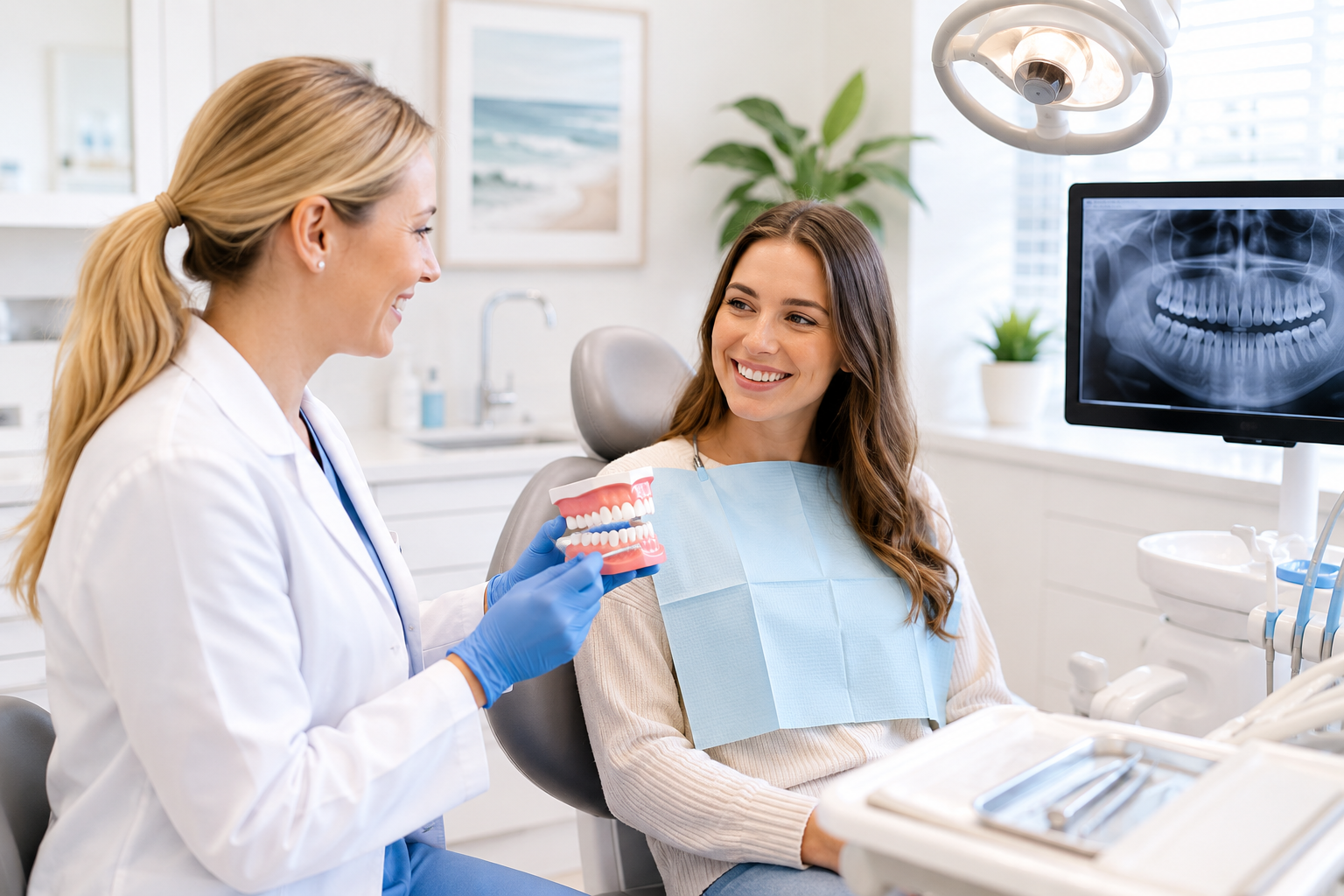
You’ll quickly learn whether teeth whitening in Concord, CA fits your goals and lifestyle, and what options local dentists offer to get safe, noticeable results. If you want a brighter smile with professional guidance, Concord dental practices provide in-office and take-home whitening that deliver faster, more reliable results than over-the-counter products.
They explain why stains happen, compare treatments, and outline benefits, risks, and upkeep so you can choose confidently. Expect practical details about appointment steps, common concerns, alternatives, and how to pick a trusted Concord provider to match your comfort and budget.
Teeth darken for specific reasons that matter for treatment. Knowing whether stains are on the surface or inside the tooth guides which whitening option will work best.
Staining falls into predictable categories tied to diet, habits, medications, and age. Dark beverages such as coffee, black tea, red wine, and cola contain chromogens that adhere to enamel. Tobacco leaves tar and nicotine that cause yellow-brown staining over months and years.
Certain foods with strong pigments—like blueberries, curry, and soy sauce—can also stain enamel with repeated exposure. Poor oral hygiene lets plaque and tartar build up, making stains more visible and harder to remove. Some toothpaste with abrasive particles can create micro-scratches that trap pigments.
Medications and medical history affect color too. Tetracycline given during tooth formation can cause gray-brown intrinsic bands. Excessive fluoride in childhood may produce white or brown mottling (fluorosis). Dental trauma or root canal treatment can darken a single tooth from internal changes.
Surface stains sit on enamel and respond well to professional cleaning and whitening. A dental hygienist can remove plaque and extrinsic pigment with scaling, polishing, or air-abrasion, often improving appearance immediately.
Deep (intrinsic) stains are inside the tooth structure—within dentin or enamel formed during development. These stains result from medication, trauma, or long-term aging, and they usually resist over-the-counter whitening. In-office peroxide bleaching can penetrate enamel to lighten intrinsic discoloration, but results vary.
For localized intrinsic stains, internal bleaching (placing bleaching agent inside a devitalized tooth) or restorative options—such as composite bonding, porcelain veneers, or crowns—may provide more predictable, long-term improvement. A dentist assesses enamel thickness, existing restorations, and tooth vitality before recommending treatment.
Daily habits shape staining risk and maintenance needs. Regular consumption of staining drinks and poor brushing habits increases the frequency and intensity of discoloration, so modifying intake and timing matters. Rinsing with water after coffee or using a straw for dark beverages reduces contact with front teeth.
Oral hygiene routines and dental visits prevent buildup. Brushing twice daily with a fluoride toothpaste, flossing, and professional cleanings every six months limit extrinsic staining. Using whitening toothpaste can help maintain results but won’t remove deep discoloration.
Smoking cessation and limiting staining foods improve long-term outcomes. For patients considering whitening in Concord, CA, discussing lifestyle factors with the dentist helps set realistic expectations and a maintenance plan tailored to their routine.
Concord dental practices offer fast in-office procedures, custom at-home trays, and a selection of reputable whitening brands. Patients can expect assessments for sensitivity, realistic shade goals, and clear pricing before treatment.
In-office whitening uses higher-concentration bleaching agents applied by a dental professional for rapid results. Typical systems employ 25–40% hydrogen peroxide or carbamide peroxide, activated by LED light in a single 45–90 minute visit to lift several shades.
The dentist isolates gums with a protective barrier and monitors sensitivity throughout the session. Immediate post‑treatment whitening appears in most patients, though teeth with intrinsic stains (from trauma or tetracycline) may need additional evaluation or alternative approaches.
Practices in Concord usually include a consultation, shade measurement, and instructions for post‑care to reduce sensitivity. Costs vary by practice and technology; patients should ask about guarantees, touch‑up discounts, and whether the price includes follow‑up trays.
Custom take-home kits combine a dentist-made tray with lower‑concentration gel for gradual whitening at home. The clinic scans or molds teeth to fabricate snug, soft trays that distribute gel evenly and reduce gum irritation compared with over‑the‑counter strips.
Gels typically use 10–22% carbamide peroxide, worn nightly for 1–2 weeks or for shorter daily sessions based on the dentist’s protocol. This method offers controlled, predictable results and is gentler for people with sensitive teeth or enamel concerns.
Dentists in Concord provide usage instructions, sensitivity management (desensitizing toothpaste or gels), and scheduled check‑ins to track progress. Patients should store gels per instructions and discard expired product to maintain safety and effectiveness.
Common professional brands seen in Concord clinics include Zoom (Philips), Opalescence (Ultradent), and Kor. Zoom is known for fast in-office protocols with LED activation; Opalescence offers versatile concentrations for both in-office and take-home use; Kor focuses on deep intrinsic stain correction using advanced formulations.
Patients should weigh speed versus sensitivity: Zoom delivers rapid whitening but can be harsher for sensitive mouths; Opalescence and Kor provide options tailored to sensitivity and stain type. Ask the dentist about expected shade change, scientific backing, and any post‑procedure remineralization support.
Price and warranty differ by brand and practice. Request before/after photos of previous patients, expected maintenance frequency, and clear instructions for touch‑ups to choose the best option for lifestyle and dental history.
Teeth whitening can significantly brighten stained enamel and boost confidence, but results vary by stain type, enamel condition, and maintenance habits. Patients should weigh visible improvements, treatment time, and possible sensitivity before choosing a method.
In-office whitening with professional-strength hydrogen peroxide typically lightens teeth 6–10 shades in one 60–90 minute session, producing the fastest, most predictable outcome. Take-home trays from a dentist use lower-concentration gel and usually require daily wear for 1–2 weeks to achieve similar, but slightly less dramatic, results.
Intrinsic stains (from tetracycline or trauma) respond less predictably and may need a combination of whitening and restorative work like veneers. Surface stains from coffee, tea, tobacco, or red wine respond well to whitening but will reappear without maintenance.
Longevity depends on diet and oral habits: expect 6 months to 3 years of noticeable whiteness. Touch-up treatments—quarterly or semiannual at-home gel or occasional in-office boosters—help sustain results. Regular dental cleanings also remove surface discoloration and extend longevity.
Tooth sensitivity is the most common side effect, affecting 10–30% of patients temporarily after whitening. Sensitivity usually peaks within 24–72 hours and resolves within a week; using desensitizing toothpaste containing potassium nitrate or applying fluoride varnish at the dental office reduces discomfort.
Gum irritation can occur if whitening gel contacts soft tissue; custom-fitted trays and careful application minimize this risk. Overuse of high-concentration products or unregulated OTC strips can increase enamel wear or uneven whitening, especially where restorations (crowns, veneers, composite fillings) do not bleach.
Patients with active decay, large restorations, thin enamel, or gum disease should consult a dentist before whitening. A brief exam identifies contraindications and allows a tailored plan that balances aesthetic goals with oral health.
Different whitening methods suit different needs, dental histories, and budgets. Consider tooth sensitivity, existing restorations, desired speed of results, and whether professional supervision is available.
A good candidate has predominantly surface stains from coffee, tea, tobacco, or aging and healthy gums with no active decay. Patients with large visible restorations (crowns, veneers, composite fillings) should know those materials won’t whiten, so matching restorations afterward may be necessary.
People with mild to moderate tooth sensitivity should discuss desensitizing protocols; short-term sensitivity is common but manageable with professional guidance. Pregnant or breastfeeding individuals are usually advised to delay whitening until after childbirth unless a dentist approves otherwise. Those with untreated gum disease, multiple cavities, or enamel erosion should address those problems first; whitening on compromised teeth can increase discomfort and produce uneven results.
A dentist in Concord will start with an exam, periodontal check, and shade assessment under calibrated lighting. They often take photos and digital scans to document baseline shade and to plan whether in-office bleaching, take-home trays, or a combined approach fits best.
Treatment choices hinge on stain type and lifestyle. In-office LED-boosted bleaching gives faster, more controlled whitening for stubborn stains, while custom take-home trays provide gradual results with lower chair time. The dentist will recommend peroxide concentration, number of sessions, and sensitivity management—fluoride varnish, desensitizing toothpaste, or shorter application intervals—tailored to the patient’s oral health and schedule.
Consistent care and smart choices preserve whitening results and reduce sensitivity. Small daily habits and periodic professional touch-ups keep teeth looking their best.
After professional whitening or take-home trays, patients should avoid smoking and nicotine products; these re-stain enamel quickly. Use touch-up kits provided by the Concord practice every 6–12 months or as recommended by the dentist to maintain shade without overusing peroxide.
Wear a custom nightguard if grinding is present; bruxism wears enamel and exposes darker dentin. For minor sensitivity, switch to a toothpaste formulated for sensitive teeth containing potassium nitrate or stannous fluoride and use it twice daily for at least two weeks after whitening.
Limit abrasive whitening toothpaste to a few times per week to avoid surface erosion. Schedule a follow-up exam and hygiene visit every six months to assess shade, address staining, and polish away surface buildup safely.
Colored beverages such as coffee, black tea, red wine, and cola stain enamel over time. When consuming these, advise sipping through a straw and rinsing with water immediately after to reduce contact with tooth surfaces.
Tomato-based sauces, soy sauce, and dark berries also contribute to staining; use a fork and avoid letting foods linger in the mouth. Acidic foods like citrus and vinegar weaken enamel temporarily, making teeth more susceptible to staining—wait 30–60 minutes after eating before brushing.
Tobacco in any form causes persistent yellowing and should be avoided entirely. If complete avoidance isn’t achievable, recommend more frequent professional cleanings and consider more frequent touch-ups.
Brush twice daily with a soft-bristled brush and fluoride toothpaste; use gentle circular motions for two minutes to remove plaque without abrading enamel. Floss daily to prevent interproximal staining and maintain gum health that supports a bright smile.
Rinse with a non-alcoholic, fluoride mouthwash once daily to help remineralize enamel and reduce staining bacteria. Consider an electric toothbrush for more consistent plaque removal; many models have built-in timers and pressure sensors to prevent overbrushing.
Keep regular dental appointments every six months for professional cleanings and shade checks. Ask the Concord dental team about custom touch-up trays, personalized stain-prevention plans, and any comfort measures if sensitivity arises.
The patient will receive a straightforward, chairside experience focused on safety, comfort, and predictable shade improvement. The team evaluates current tooth color, checks restorations, and explains timing and possible sensitivity before beginning treatment.
The dentist or hygienist reviews the patient’s dental chart and takes photos and shade measurements under consistent lighting. They inspect existing crowns, veneers, or fillings because these materials do not whiten; the patient learns which teeth can realistically improve and whether restorations need adjustment after whitening.
Medical and dental history is confirmed, including pregnancy status, recent toothache, and history of sensitive teeth. The clinician explains options — in-office LED-accelerated whitening or take-home trays — and outlines expected number of visits and approximate shade change.
Consent covers potential transient side effects like gum irritation and tooth sensitivity, with specific strategies discussed: desensitizing gel, lower peroxide concentration, or staged treatments. The patient receives a written estimate and care instructions to decide confidently.
For in-office whitening the patient reclines and receives a cheek retractor and protective lip and gum barriers. The clinician isolates gums with a light-cured resin or a rubber dam, then applies a hydrogen peroxide gel (typically 25–40% for professional systems).
A light or heat source may be used for three 15–20 minute cycles depending on the system; the clinician monitors shade after each cycle. If sensitivity emerges, they pause and apply a fluoride or potassium nitrate desensitizer before continuing.
After reaching the target shade, the team removes the gel, rinses thoroughly, and checks bite and soft tissues. The patient gets written aftercare: avoid staining foods for 48 hours, use a fluoride toothpaste, and report persistent sensitivity. The office offers take-home trays or touch-up kits if desired, and schedules follow-up or restorative adjustments if needed.
Patients often worry about safety, tooth sensitivity, and whether whitening will damage restorations or give uneven results. Clear facts about modern methods and realistic expectations help people choose the right approach for Concord, CA lifestyles and dental histories.
Modern in-office and take-home whitening use controlled concentrations of hydrogen peroxide or carbamide peroxide approved by the American Dental Association and regulated for dental use. Dentists in Concord administer the higher-concentration in-office gels with protective barriers for gums and soft tissue, reducing risk compared with unsupervised over-the-counter products.
Lower-concentration take-home trays supplied by a dentist offer a balance of effectiveness and safety because the dentist custom-fits trays to prevent gum exposure. Professional supervision also allows screening for cracked enamel, untreated decay, or restorations that won’t whiten, avoiding unexpected outcomes.
Avoid unregulated products sold online that claim instant results; those often contain inappropriate pH levels or abrasives that increase risk of enamel erosion or gum irritation. For people with extensive dental work, dentists recommend color-matching and replacement planning rather than relying on whitening to change the appearance of crowns or veneers.
Tooth sensitivity after whitening is common but usually temporary. Sensitivity arises when peroxide penetrates enamel and temporarily increases fluid movement in dentin; patients typically report cold sensitivity for 24–72 hours after a session.
Dentists reduce sensitivity by using desensitizing agents like potassium nitrate in take-home gels, lower-concentration protocols, and shorter in-office exposure with multiple visits. Pre-treatment with topical fluoride or varnish can strengthen enamel and help prevent discomfort during the whitening process.
If a patient has chronic sensitivity, active decay, gum recession, or exposed root surfaces, a dentist will treat those issues before whitening or recommend alternative cosmetic options. For ongoing sensitivity, over-the-counter desensitizing toothpaste and a brief pause in whitening usually resolve symptoms without long-term damage.
This section compares simple at-home options and professional cosmetic treatments, highlighting safety, cost, speed of results, and likely outcomes.
Many patients try whitening toothpastes, whitening strips, and whitening gels first because they are affordable and available at local stores. Whitening toothpastes remove surface stains with mild abrasives and chemical polishing agents; they do not change intrinsic tooth color. Over-the-counter (OTC) whitening strips and gels use low‑concentration hydrogen peroxide or carbamide peroxide and can lighten teeth by a few shades over 1–2 weeks with daily use.
Custom-fit trays from a dentist for take‑home bleaching use stronger peroxide than OTC products and deliver more even results while reducing gum irritation. Activated charcoal and baking soda remain popular, but evidence for charcoal is limited and it can be abrasive; baking soda is mildly effective for surface stains when used sparingly. Patients with restorations, sensitivity, or enamel wear should consult a dentist before using any bleaching product to avoid uneven results or damage.
In-office professional whitening delivers the fastest, most controlled whitening. Dentists apply higher-concentration hydrogen peroxide and often use light or heat to accelerate the process, producing several shades of improvement in a single visit. The dentist monitors gum protection and manages sensitivity, achieving more predictable results than OTC methods.
Veneers and bonding offer alternatives when bleaching won’t help—for example, with intrinsic stains, tetracycline discoloration, or mismatched restorations. Porcelain veneers provide durable, stain-resistant color changes but involve enamel removal and higher cost. Composite bonding is less invasive and less expensive but can stain over time. A dental exam determines whether whitening, veneers, or bonding best balances desired appearance, longevity, tooth structure, and budget.
Patients should look for a dentist who combines clinical skill with a comfortable, patient-centered approach. Many Concord practices list qualifications and before-and-after photos on their websites, which helps assess experience with teeth whitening specifically.
Check credentials and memberships. Look for DDS/DMD, state licensure, and affiliations with organizations like the American Dental Association to confirm professional standards.
Read recent patient reviews to gauge chairside manner and results. Pay attention to comments about sensitivity management, clear explanations, and realistic expectations rather than only praise for aesthetics.
Ask about whitening methods during the first call or visit. A trustworthy practice will explain options—professional in-office bleaching, take-home trays, or supervised over-the-counter products—and recommend the safest choice based on dental health.
Confirm safety practices and aftercare. They should evaluate for cavities, gum disease, or restorations before whitening and offer strategies to reduce post-treatment sensitivity.
Compare costs and value, not just price. Many offices provide a written estimate and outline follow-up care; some offer financing or package pricing for combined cosmetic and preventive treatments.
Schedule a consultation to meet the team and see the office. A short visit gives a sense of professionalism, cleanliness, and whether the dentist explains risks and benefits in a reassuring, straightforward way.
Patients often feel unsure about starting a whitening treatment. A brief exam helps the dentist check for sensitivity, existing restorations, and overall oral health before recommending options.
They can choose between in-office treatments for faster results or take-home kits for gradual brightening. In-office whitening typically uses stronger, professionally applied gels and can lift several shades in one visit.
A take-home tray system offers convenience and control, letting patients whiten at their own pace. Dentists provide custom trays and instructions to minimize sensitivity and protect gums.
Costs, expected shade change, and longevity vary by method and lifestyle factors like coffee or tobacco use. A short consultation will outline pricing, timeline, and maintenance steps specific to each person.
Patients with restorations should discuss expectations, since crowns and veneers don’t whiten with bleach. The dentist can suggest matching options such as replacing restorations or using complementary bonding.
Common side effects include temporary sensitivity and mild gum irritation. The dental team can recommend desensitizing toothpaste, adjusted application times, or alternative protocols for comfort.
They are encouraged to schedule a consultation to review options and create a comfortable, personalized plan for brighter teeth.
This section answers specific cost, safety, longevity, and provider-choice questions for teeth whitening in Concord, CA. It focuses on realistic price ranges, treatment differences, sensitivity management, effects on dental restorations, and what to check during a consultation.
Professional in-office whitening in Concord usually ranges from $300 to $800 per visit. Prices vary by practice, the strength of the whitening system used, and whether multiple appointments are needed.
Take-home custom tray systems commonly cost $150 to $400, depending on whether the cost includes impressions and follow-up. Additional factors that can raise cost include pre-treatment (cleaning, fillings), severe staining requiring extra sessions, and adjunctive products like desensitizing gels.
Insurance rarely covers cosmetic whitening, so patients should plan for out-of-pocket payment or ask about financing or membership plans. Promotions, bundled services, and local competition can also affect the final price.
In-office whitening uses a higher-concentration peroxide applied by a clinician and often produces noticeable results in a single 60–90 minute visit. It suits people seeking fast, controlled whitening under direct supervision.
Take-home trays use lower-concentration gel in custom-fitted trays worn daily for one to two weeks. They fit busy schedules better and allow gradual whitening with less initial sensitivity.
A dentist recommends in-office treatment for deep stains or when the patient wants immediate results. Take-home trays suit patients with mild to moderate staining, sensitivity concerns, or a preference for slower change.
Professional whitening results commonly last 6 months to 2 years, depending on individual habits and enamel characteristics. People who avoid frequent staining foods and beverages often see longer-lasting results.
To extend results, use touch-up gel in custom trays every 3–12 months or receive a periodic in-office maintenance session. Maintaining good oral hygiene, regular dental cleanings, and reducing coffee, tea, red wine, and tobacco exposure will help preserve whitening effects.
Whitening can increase sensitivity because peroxide temporarily affects tooth nerves. Many patients experience mild, short-lived sensitivity that resolves within days.
Clinics reduce sensitivity by using lower-concentration gels, applying desensitizing agents before and after treatment, or spacing sessions. Patients with severe baseline sensitivity or active dental problems should get a dental exam and necessary treatment before whitening.
Peroxide-based whitening does not change the color of porcelain, ceramic, or composite restorations. Existing crowns, veneers, or fillings will retain their current shade after natural teeth whiten.
For visible restorations, dentists typically recommend whitening natural teeth first and then replacing or staining-match restorations to the new shade. Cosmetic options include redoing crowns or veneers or using color-matched composite for restorations.
Choose a provider who performs a full dental exam, reviews oral health history, and takes shade photos or digital scans before starting. Verify the provider uses ADA-accepted materials, explains risks and expected outcomes, and offers a written treatment plan with costs.
During consultation, look for clear discussion of sensitivity management, before-and-after photos of actual patients, and follow-up care instructions. Ask about credentialed staff, local patient reviews, and options for maintenance or touch-ups.