Dental Cleaning Benefits in Concord, CA: Why Regular Visits Matter for a Healthier Smile
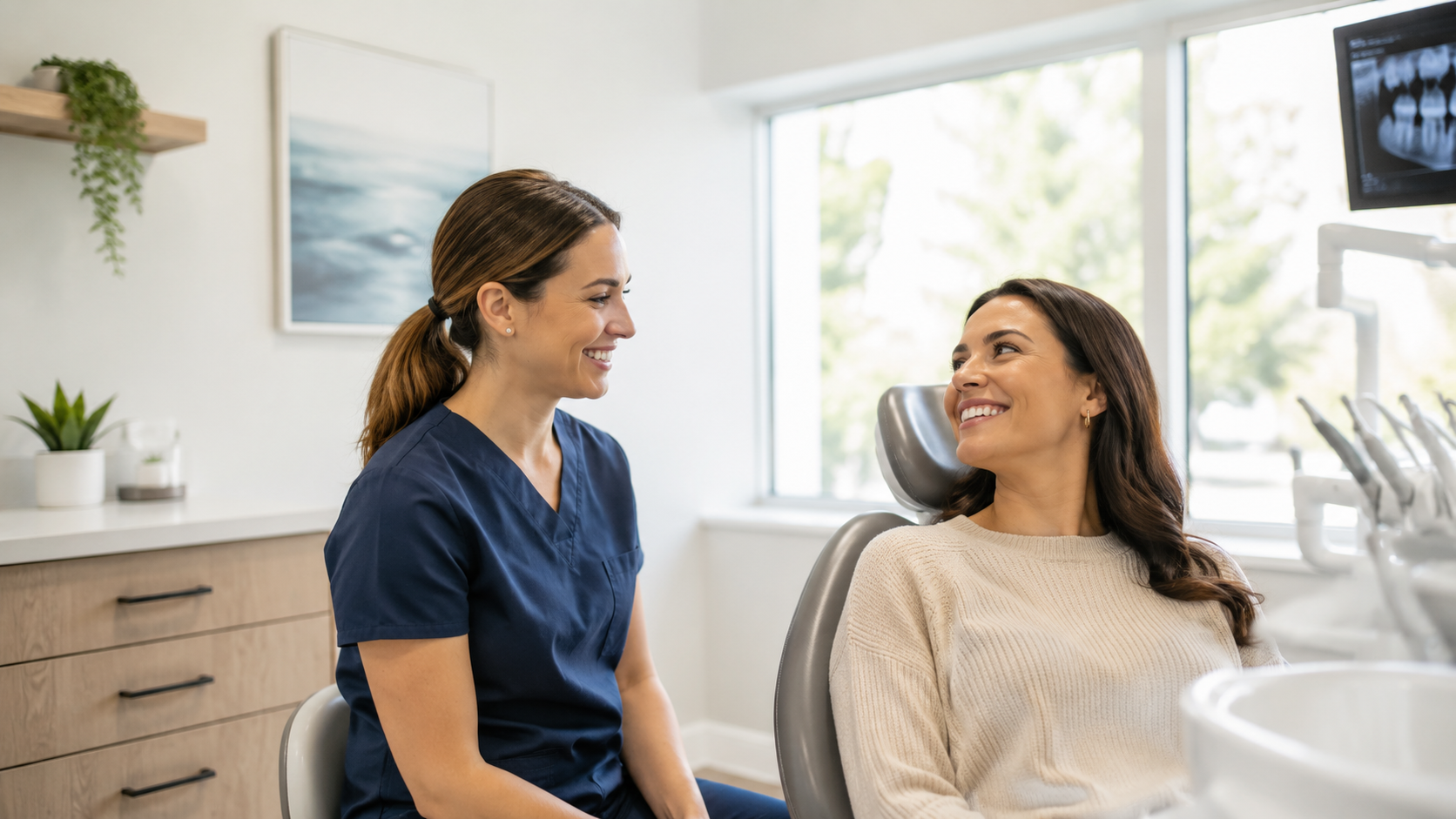
Regular dental cleanings are one of the simplest, most effective ways to protect a smile. For many patients, a cleaning appointment may feel routine, but it does much more than polish the teeth. It helps remove buildup that brushing cannot reach, supports healthier gums, freshens breath, and gives the dental team a chance to catch small concerns before they become more complicated.
For patients searching for dental cleaning benefits Concord CA, the message is encouraging: preventive care can make a meaningful difference in day-to-day comfort, long-term oral health, and confidence. At Willow Pass Dental Care, routine cleanings are part of a practical, patient-centered approach to helping individuals and families maintain healthy smiles.
This article is for general educational purposes only and does not replace personalized dental advice. Patients with tooth pain, bleeding gums, loose teeth, swelling, or concerns about diagnosis, treatment, cost, or recovery should consult a qualified dental clinician.
A professional dental cleaning, sometimes called prophylaxis, is a preventive appointment designed to clean the teeth and evaluate oral health. Even with excellent home care, plaque can harden into tartar, also called calculus. Once tartar forms, it cannot be removed with a toothbrush or floss at home. A dental hygienist uses special instruments to safely remove this buildup from the teeth and along the gumline.
Most routine cleaning visits include several helpful steps:
Cleanings are usually comfortable and straightforward. Patients who feel nervous can let the dental team know before the appointment begins. A caring provider can explain each step, check in often, and help create a calmer experience.
Dental cleanings are often described as preventive care because they help reduce the chance of future problems. However, the benefits go beyond prevention. Many patients notice that their mouth feels cleaner, their breath improves, and they feel more motivated to keep up with home care after a visit.
Daily brushing and flossing are essential, but they cannot always reach every tight space or remove hardened tartar. Professional cleanings target the areas where plaque and tartar tend to collect, such as behind the lower front teeth, around the back molars, and along the gumline.
Removing this buildup helps teeth feel smoother and makes it harder for new plaque to cling to the surface. That “fresh from the dentist” feeling is not just cosmetic; it is a sign that harmful buildup has been reduced.
Gum health plays a major role in overall oral wellness. When plaque stays near the gumline, it can irritate the gums and contribute to inflammation. Early gum irritation may cause tenderness, redness, or bleeding when brushing or flossing.
Professional cleanings help remove the plaque and tartar that contribute to gum problems. During the visit, the dental team can also measure gum pockets and look for signs that a patient may need additional periodontal care. When gum concerns are identified early, patients often have more options for managing them before they progress.
Cavities develop when bacteria in plaque produce acids that weaken tooth enamel. A professional cleaning reduces plaque and gives the dental team a chance to spot early enamel changes, worn fillings, or areas that may be at higher risk.
Patients may also receive personalized suggestions, such as improving flossing technique, using fluoride toothpaste, adjusting snacking habits, or considering fluoride treatment if appropriate. These small changes can help protect teeth between visits.
Bad breath can be frustrating, especially when brushing and mouthwash do not seem to solve the problem. In many cases, odor-causing bacteria collect on the teeth, tongue, gums, or around tartar buildup. A professional cleaning helps remove many of these bacteria and gives the mouth a cleaner foundation.
If bad breath continues, the dental team can check for possible contributing factors, such as gum disease, dry mouth, cavities, or oral appliances that need better cleaning. Persistent bad breath should not be ignored, but it is also common and often manageable with the right guidance.
One of the most valuable benefits of routine dental cleanings is the exam that comes with them. Many dental issues start quietly. A small cavity, cracked tooth, gum pocket, or worn restoration may not cause pain right away.
During a cleaning visit, the dentist can look for early signs of trouble. Finding concerns early can often make treatment simpler and more comfortable than waiting until symptoms become severe. While not every issue can be prevented, regular visits help patients stay informed and make timely decisions.
Professional cleanings can remove many surface stains caused by coffee, tea, wine, certain foods, or everyday habits. While a cleaning is not the same as teeth whitening, it can help the smile look brighter by polishing away stain on the outer surface of the teeth.
Patients interested in a whiter smile can ask whether whitening options are appropriate for them. A cleaning is often a smart first step because it creates a cleaner surface and helps the dentist check for sensitivity, cavities, or gum concerns before cosmetic treatment.
No two mouths are exactly alike. Some patients struggle with crowded teeth, dental bridges, implants, braces, dry mouth, sensitive gums, or areas that trap food. A dental cleaning visit gives the hygienist a chance to offer specific advice rather than general reminders.
For example, a patient may benefit from a different flossing tool, an electric toothbrush, a water flosser, interdental brushes, or a toothpaste designed for sensitivity. These recommendations can make home care easier and more effective.
Many patients do well with a dental cleaning every six months, but the right schedule depends on individual oral health. Some people may need more frequent cleanings, especially if they have a history of gum disease, heavy tartar buildup, dry mouth, certain medical conditions, or a higher risk of cavities.
A dental professional can recommend a cleaning schedule based on gum measurements, X-rays when needed, medical history, and the patient’s home-care routine. The goal is not to over-treat; it is to choose the timing that best supports long-term health.
Most routine dental cleanings are not painful. Patients may feel light pressure, vibration, or scraping as the hygienist removes tartar. If the gums are inflamed or if there is heavy buildup, certain areas may feel tender. The good news is that the dental team can adjust the pace, use gentle techniques, and take breaks as needed.
Patients with dental anxiety, sensitive teeth, or past uncomfortable experiences should mention this before the cleaning begins. A reassuring team can explain what to expect and help make the visit feel more manageable. Comfort matters, and patients should feel welcome to speak up at any time.
Preventive dental care is helpful at every age. Children can learn healthy habits early, teens can get support with braces or sports-related concerns, adults can protect busy smiles, and older adults can receive guidance for gum health, restorations, implants, dentures, or dry mouth.
Routine cleanings also help normalize dental visits. When appointments are regular and comfortable, patients are less likely to associate the dental office only with emergencies. This can be especially important for children or adults who feel nervous about dental care.
For families in and around Concord, CA, having a trusted dental home can make preventive care more convenient. Regular visits create a familiar relationship with the dental team, which can make it easier to ask questions, discuss concerns, and stay consistent with care.
Even if a patient is not sure when their last cleaning took place, certain signs may suggest it is time to schedule an appointment. These include:
These signs do not always mean something serious is happening, but they are worth discussing with a dental professional. A cleaning and exam can provide clarity and help the patient understand the next best step.
A dental cleaning is a great time to ask questions. Patients may want to mention any sensitivity, jaw discomfort, gum bleeding, changes in bite, cosmetic goals, dry mouth, or concerns about dental products. The more the dental team understands, the better they can tailor recommendations.
To prepare for the visit, patients can:
Patients do not need to feel embarrassed if it has been a while since their last appointment. Dental teams see this often, and the focus should be on helping the patient move forward comfortably.
Yes, professional cleanings are still important. Brushing and flossing remove plaque at home, but tartar cannot be removed with regular brushing once it hardens. Dental cleanings also include an exam that can identify early signs of cavities, gum issues, or other concerns.
A routine cleaning often takes about 45 to 60 minutes, though the timing can vary. Patients with heavier buildup, dental anxiety, X-rays, or additional concerns may need more time. The dental team can provide a better estimate based on the appointment type.
A cleaning can remove surface stains and help teeth look brighter, but it is not the same as professional whitening. Patients who want a noticeably whiter smile can ask the dentist whether whitening is a good option for their teeth and gums.
Bleeding gums often happen when the gums are irritated or inflamed, commonly due to plaque and tartar buildup. Bleeding may improve as gum health improves, but ongoing bleeding should be evaluated by a dental professional.
Dental cleanings are generally considered an important part of oral health during pregnancy, but patients should always tell the dental team they are pregnant and share any medical guidance from their physician. Pregnancy-related hormone changes can affect the gums, so preventive care can be especially helpful.
A regular cleaning focuses on the teeth and gumline for patients without active periodontal disease. A deep cleaning, often called scaling and root planing, treats buildup below the gumline when gum disease is present. A dentist or hygienist can determine which type is appropriate after an evaluation.
Regular dental cleanings are a small investment in a healthier, more confident smile. They help remove plaque and tartar, support gum health, reduce cavity risk, freshen breath, and give patients valuable insight into their oral health.
For patients exploring dental cleaning benefits in Concord, CA, Willow Pass Dental Care offers a friendly place to ask questions and get personalized guidance. Whether it has been six months or several years since the last visit, the next step can be simple: schedule a cleaning, share any concerns, and let the dental team help create a comfortable plan for ongoing care.